As physical offices compete with the comfort and autonomy of working from home, the role of the workplace is being quietly redefined. Increasingly, it’s not just about desks, square footage, or flexibility, but about how a space feels to use day after day. Hospitality principles — long associated with hotels and high-end retail — are now shaping expectations around service, design, and care in modern work environments.
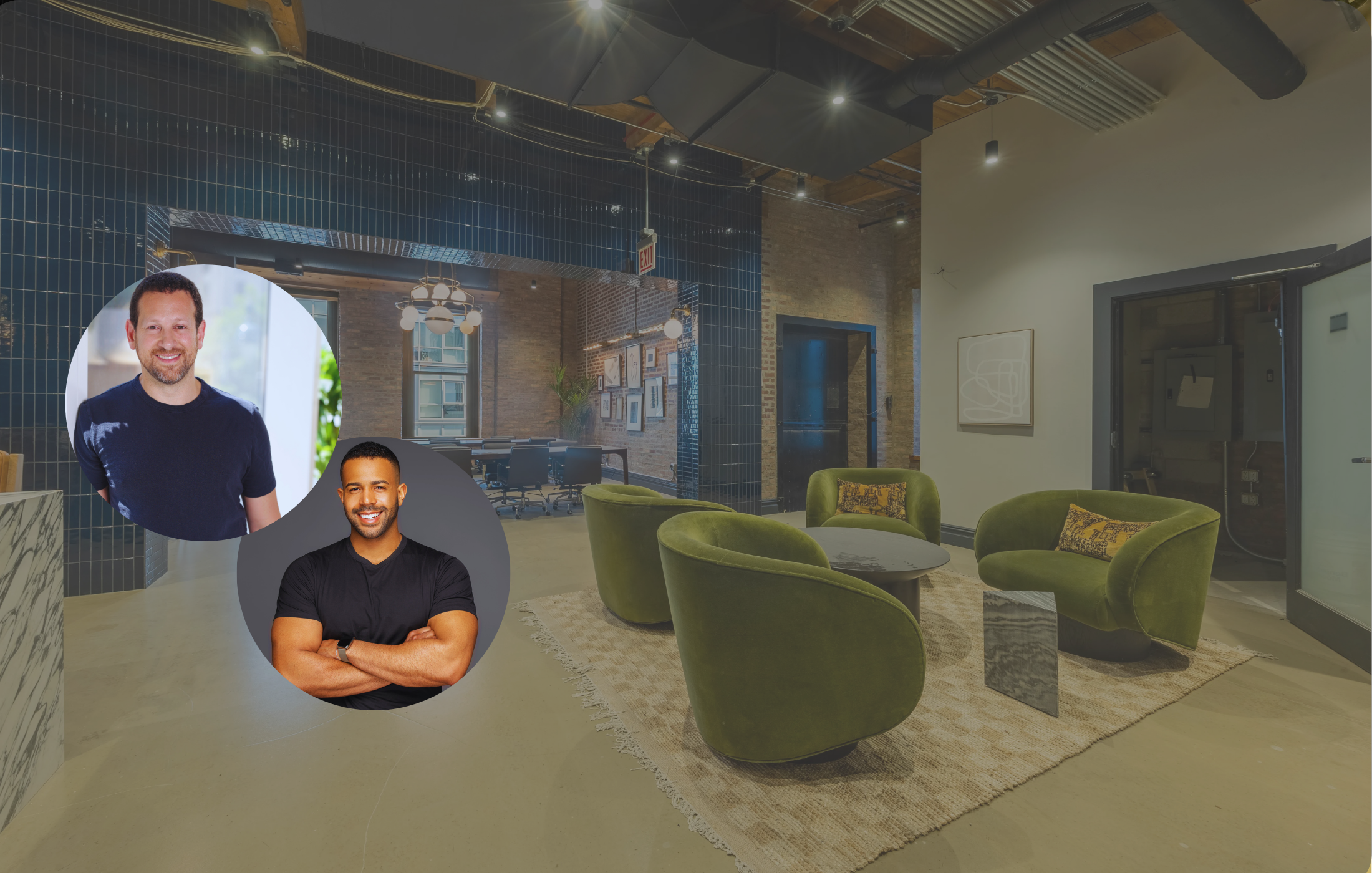
To explore what “hospitality-driven” actually means in practice, we spoke with Ary Krivopisk, CEO of The Yard, and Paulo Colby, founder and CEO of The Wellness Collective and a member of The Yard’s Chicago community. Together, they offer both the operator and member perspectives on how hospitality is influencing workplace design, operations, and everyday experience — and why those shifts may be less about luxury and more about reliability, care, and intention.
Who is Ary Krivopisk?
 Ary Krivopisk is the CEO of The Yard, a U.S.-based coworking operator known for its design-led, service-oriented approach. Previously, he helped drive WeWork’s international expansion, playing a key role in establishing Latin America as its fastest-growing region. At The Yard, he has led the shift toward hospitality-driven operations, including the launch of The Yard Signature, a premium workspace concept introduced in Chicago’s Fulton Market.
Hospitality is often mentioned as a buzzword in workplace design. In practical terms, what does “hospitality-driven” actually mean inside a coworking space today? Where does it go beyond aesthetics and show up in daily operations or member experience?
Hospitality-driven isn’t about how a space looks, it’s about how it behaves. In practice, it means designing operations around people, not just square footage. It shows up in how teams are greeted, how issues are handled, how spaces are maintained throughout the day, and how predictable and frictionless the experience feels over time.
A hospitality mindset means asking simple but important questions daily: Is this space intuitive to use? Does it reduce stress or add to it? Are we anticipating needs or just reacting when something breaks?
Design sets the tone, but hospitality lives in consistency. The way coffee is stocked, how meeting rooms reset between bookings, how quickly someone responds when a member needs help. Those moments define whether a workspace feels supportive or transactional.
For many workers, coming into the office is now optional, not obligatory. What do you think spaces still misunderstand about why people choose to show up when they don’t have to?
Many spaces still assume people come in for obligation, productivity metrics, or supervision. That’s no longer true. People choose to show up when the office gives them something they can’t get at home. Focus. Energy. Human connection.
What’s often misunderstood is that people don’t want more flexibility, they want more clarity. They want to know that when they come in, it will be worth it. That the environment will support how they work, not distract them or drain them.
If showing up feels heavy, people won’t do it. If it feels intentional, they will.
Hospitality relies on anticipation, not just reaction. How does that mindset translate into managing a coworking community with very different work styles and needs?
Anticipation starts with observation. In a coworking environment, you’re managing founders, remote employees, creatives, executives, all with different rhythms. You can’t personalize everything, but you can design systems that respect variability.
That means offering different zones for different modes of work, programming that’s opt-in rather than forced, and staff trained to read situations rather than follow scripts. Hospitality in this context is about removing friction before it becomes frustration. It’s knowing when to step in and when to stay out of the way.
Is there a risk that hospitality-led workplaces raise expectations faster than the industry can sustain them? In other words, once people experience this level of care and design, is there any going back?
Yes, there’s no real going back once expectations shift. We anticipate a higher level of care and a more elevated overall experience becoming the norm.
With strong operational discipline and foresight, the industry can prepare for this shift and respond sustainably. That’s why we’re building more exclusive yet accessible workspace solutions, like The Yard Signature in Fulton Market, designed to meet higher expectations without losing efficiency or accessibility.
How do you balance creating a memorable experience without turning workspaces into performance spaces that exhaust people instead of supporting them?
The goal isn’t to impress people every day. It’s to support them every day. Hospitality doesn’t mean constant stimulation. In fact, the best hospitality often feels quiet. Predictable. Calm.
We’re very intentional about not overprogramming or overwhelming members. The space should do most of the work. Events, design moments, and community touchpoints should enhance the experience, not compete with people’s focus. If a workspace feels like a stage, people eventually stop showing up.
What’s one operational decision you’ve made that would look inefficient on a spreadsheet but made sense through a hospitality lens?
One example is investing in member programming like special events and wellness offerings. On a spreadsheet, these initiatives don’t always show immediate ROI and can look inefficient in the short term. But through a hospitality lens, they significantly improve member experience, community connection, retention, and brand loyalty. Over time, that translates into stronger word-of-mouth, referrals, and longer-term value for the business, even if the payoff isn’t instantly measurable.
From your perspective, what elements of hospitality will become standard in future work places and which will remain differentiators for premium operators?
What will become standard is baseline comfort and functionality: clean spaces, reliable technology, thoughtful layouts, and clear wayfinding. What differentiates us is that we’re constantly updating and adapting our spaces to improve the experience, because we don’t believe one space fits all and we aim to meet evolving member needs.
Beyond that, the most meaningful differentiators are the subtler elements: staff quality, community curation, how spaces feel over time (not just on day one), and how well-being is genuinely integrated rather than simply marketed. Premium operators won’t win on flash, they’ll win on consistency and trust.
Looking ahead, what do you think companies will demand most from physical workspaces over the next few years: flexibility, experience, well-being, or something else entirely?
Flexibility, experience, and well-being all matter, but they’re secondary to reliability. Companies want workspaces that remove uncertainty, adapt as teams grow or contract, and consistently support how people actually work.
The workspace of the future isn’t just flexible. It consistently supports day-to-day operations and scales with the business. That’s where hospitality and workplace strategy come together in a practical way.
Who is Paulo Colby?
 Paulo Colby is the founder and CEO of The Wellness Collective, a company focused on wellness, sustainability, and human-centered organizational practices. His team is based at The Yard in Chicago, where the workspace plays an active role in supporting both collaboration and well-being. From a member perspective, Colby brings insight into how physical environments influence focus, creativity, and team connection — particularly for organizations where mental and emotional bandwidth are central to the work.
With your company being rooted in wellness, what stood out about The Yard’s environment compared to more traditional offices or coworking spaces you’ve used?
What stood out immediately was how intentional the space feels. Unlike traditional offices that prioritize density or coworking spaces that lean heavily into buzz and constant stimulation, The Yard strikes a balance between energy and ease. The design, natural light, and layout feel human-centered rather than transactional. As a wellness-driven company, we’re constantly thinking about how environments affect nervous systems, focus, and sustainability of work—and The Yard feels aligned with those values rather than working against them.
How does a hospitality-driven setting influence your team’s day-to-day work, whether that’s collaboration, focus, or creativity?
The hospitality-driven approach removes a lot of the background friction that teams don’t always realize they’re carrying. When the space is welcoming, thoughtfully managed, and responsive, our team can focus more fully on their work instead of logistics. That sense of being cared for translates into better collaboration and more creative thinking. It creates a rhythm to the workday that feels supportive rather than draining, which is especially important in mission-driven work where emotional and mental bandwidth matter.
Have you noticed any tangible effects on team connection or engagement that you’d attribute directly to the space itself?
Yes, absolutely. The space naturally encourages presence and connection without forcing it. Shared areas feel inviting rather than performative, which makes informal conversations and organic collaboration more likely. Team members are more inclined to come in, stay longer, and engage with one another because the environment feels good to be in. Over time, that has a real impact on morale, engagement, and how connected people feel to both their work and each other.