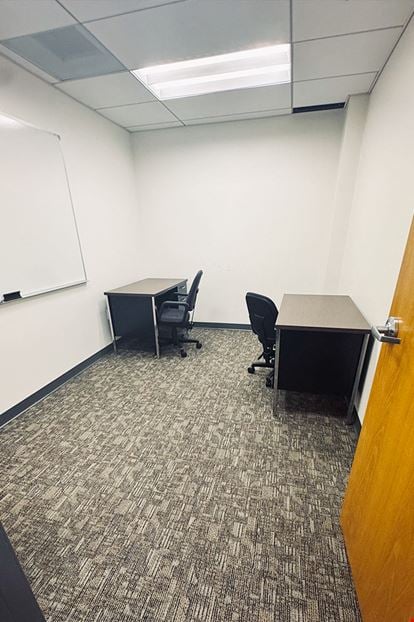
During standard daytime hours, the space works well: it’s professional, has plenty of seating, and members are generally focused and respectful. After 6:00 p.m., it stops functioning like a workspace. The music is turned up on both floors, making serious work difficult. When I asked staff to lower it, I was told it couldn’t be changed because it was “corporate policy.” That answer is unacceptable for a paid coworking environment that remains open until midnight.
The lighting situation is equally frustrating. Around 9:00 p.m., the motion sensors routinely shut the lights off while you’re working, forcing you to stand up and wave your arms just to keep the lights on. It’s disruptive, distracting, and completely avoidable.
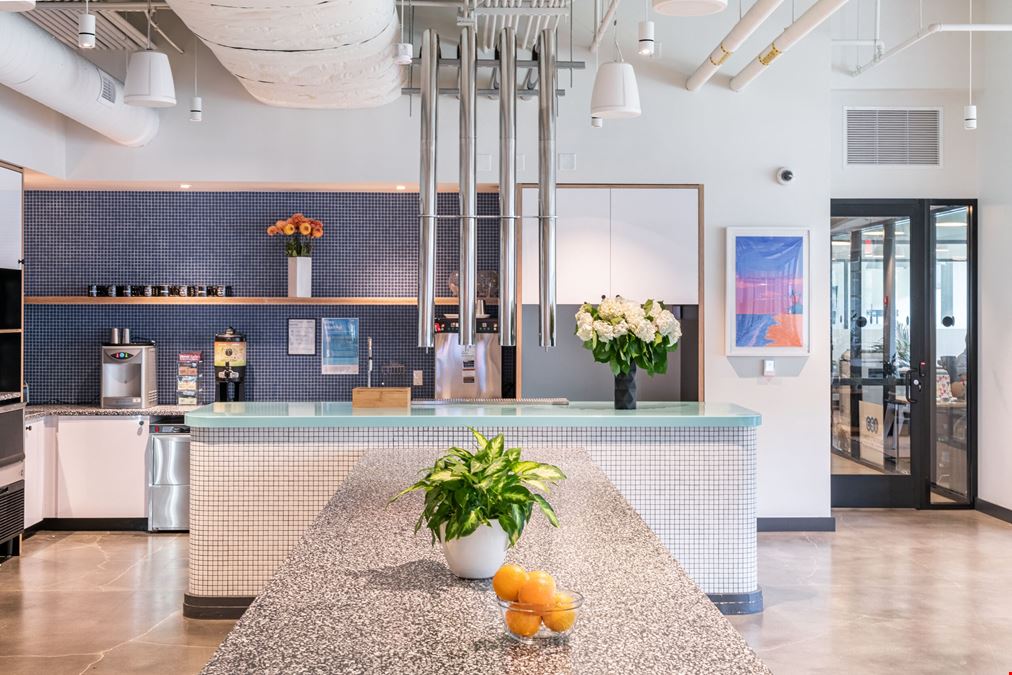
Then around 10:00 p.m., cleaning begins with loud vacuuming and aggressive cleaning activity that makes it even harder to focus. If you’re trying to work at night, you’re basically being pushed out through noise, poor lighting, and constant interruptions. On top of that, coffee service ends at 4:30 p.m., which is another signal that this location is not designed to support members beyond typical daytime hours.
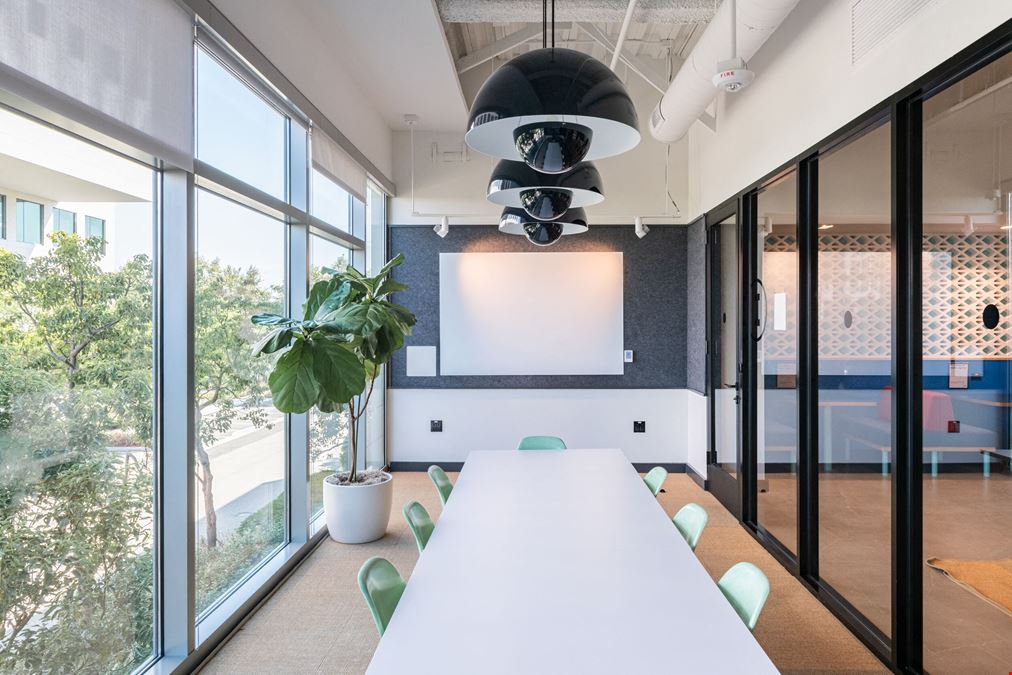
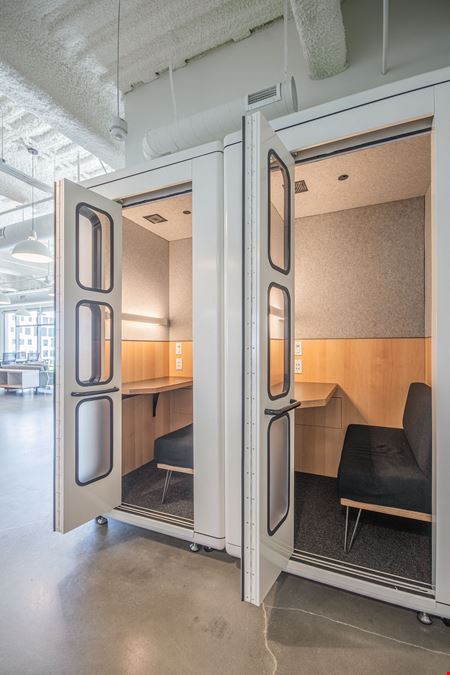
My membership includes meeting room/office credits, but the rooms I used were located in high-traffic areas with nonstop door activity. They were too loud to be useful, so the credits felt like a checkbox feature rather than something that actually adds value.
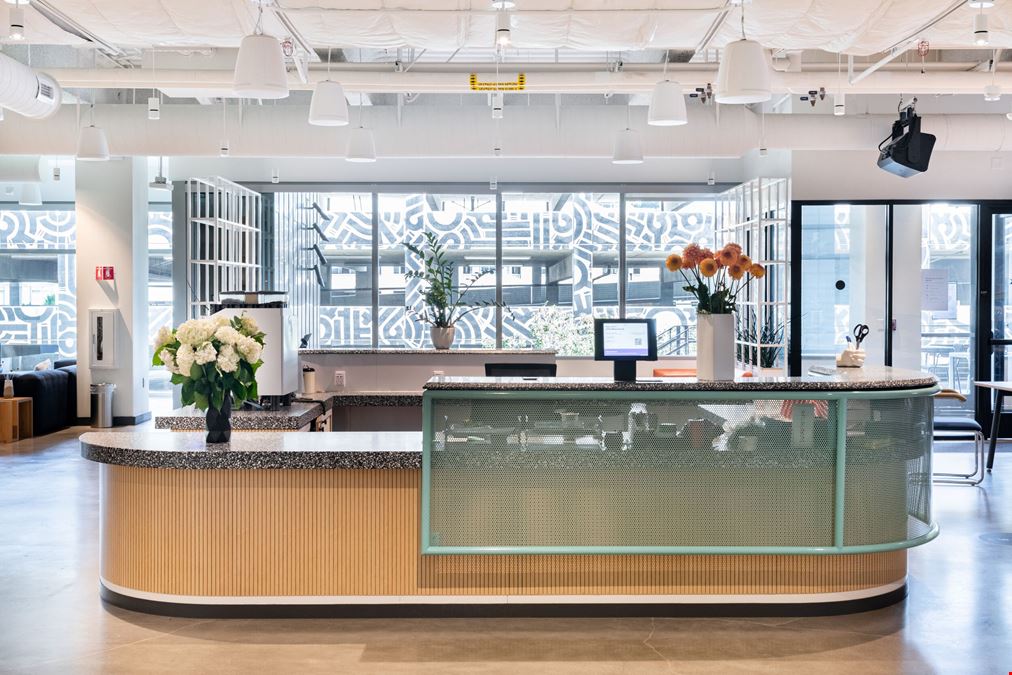
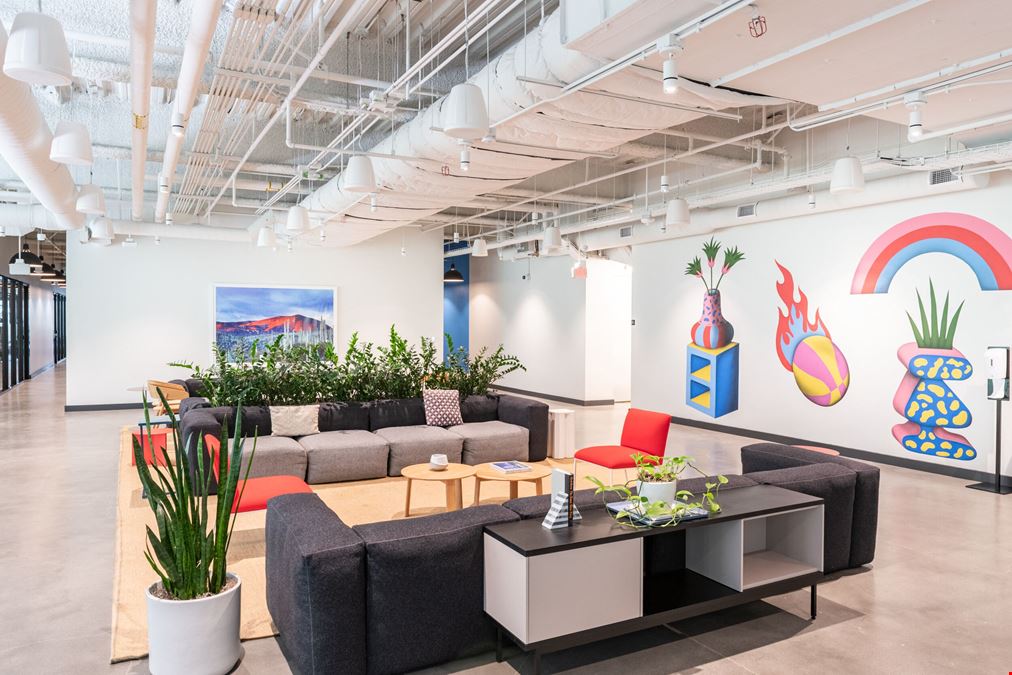
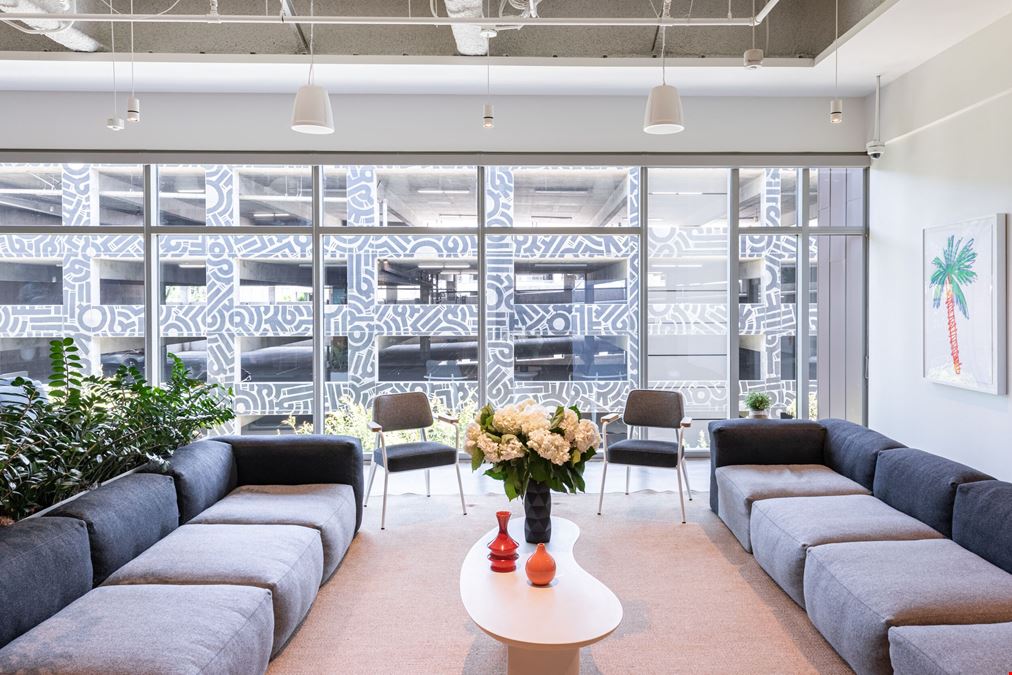
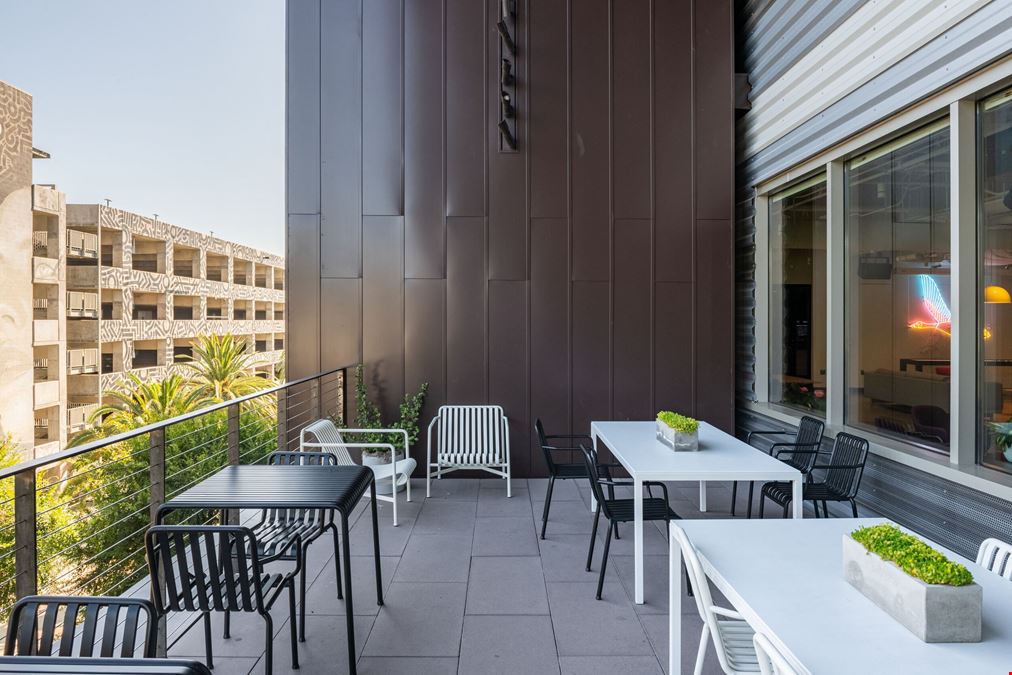
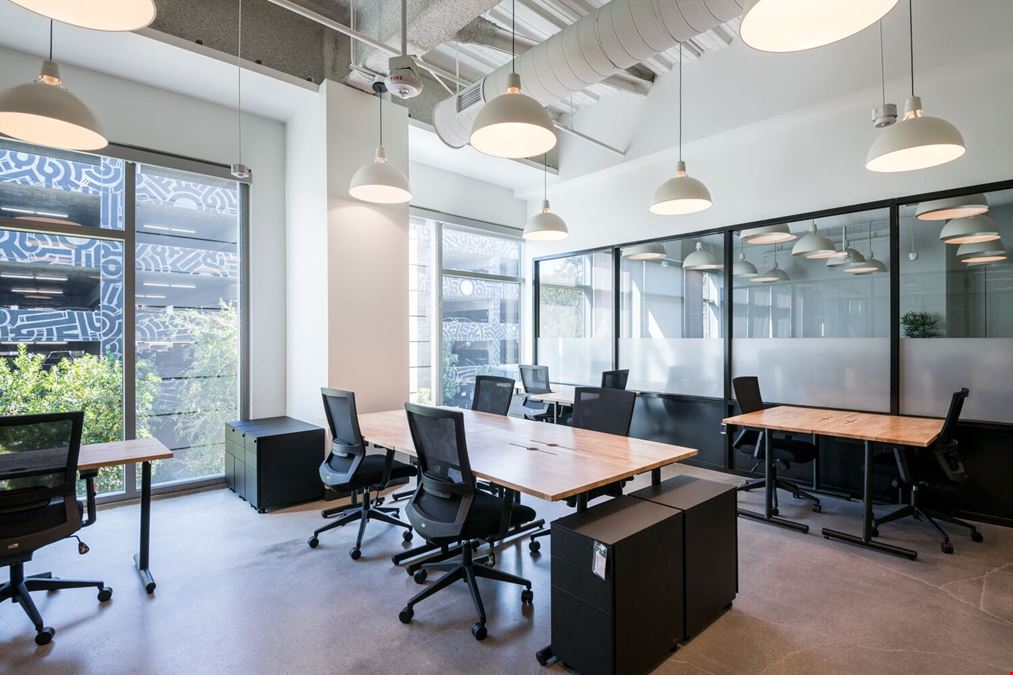
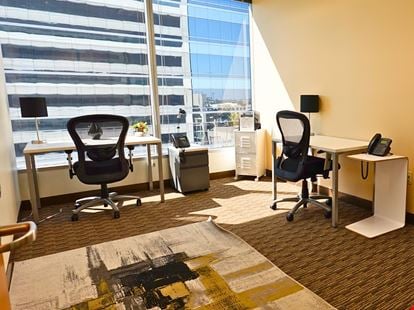
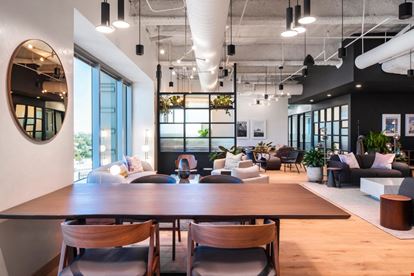
The space looks impressive, but the operations are not. After-hours members are clearly not prioritized, and the overall experience feels poorly managed once the daytime crowd leaves.
Finally: when I joined, the location was presented as 24/7 access. About three weeks later, access was reduced to midnight–6:00 a.m. with no advance notice. I was told it was due to people sleeping in the space. Regardless of the reason, changing core access terms without proper notice is not acceptable—especially for members who chose this location specifically for late-night work.


.jpg?width=414 "CW Business Center at LAX")