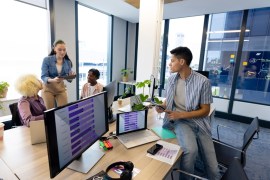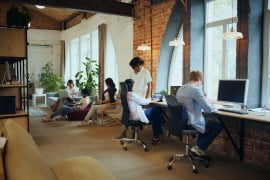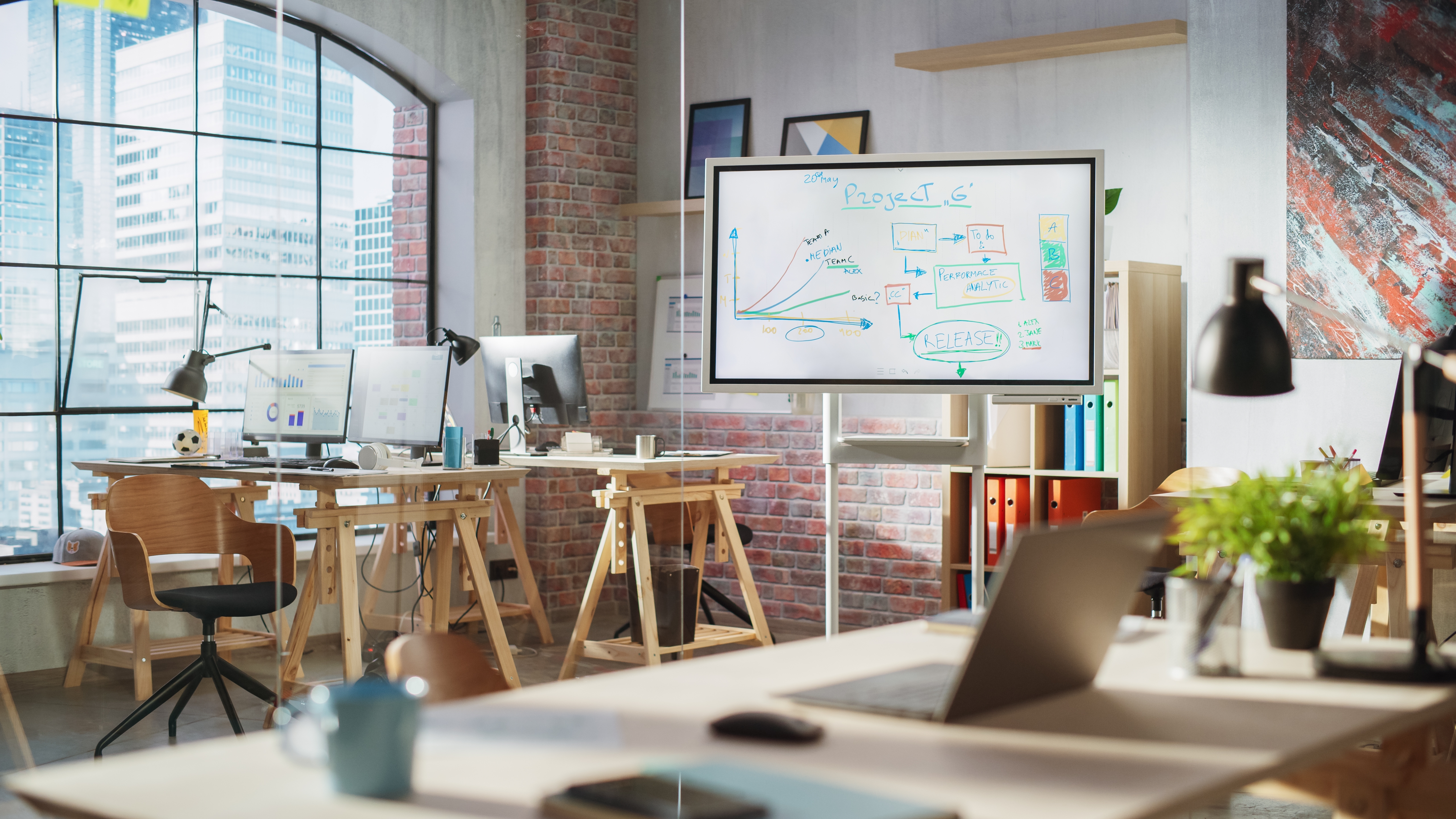
You walk into your office and stop for a moment. The walls feel like they’ve crept in a little since last week. Coffee cups crowd the desk, cables knot into spaghetti and that one chair still squeaks every time someone shifts. Yet, small doesn’t have to mean cramped. With the right mix of light, flow, and layout, even the tiniest space can feel full of possibility and energy.
These changes aren’t about buying new furniture or repainting walls. Instead, they’re about rethinking how you use what you already have. The 10 strategies below are designed to help you turn spatial constraints into creative power with each section ending in a clear, actionable step that you can apply right away.
1. Measure Your Space Like a Detective, Not a Decorator
Before moving a single chair, start with observation. The most successful redesigns aren’t based on taste. They’re based on data. So, use proper tools to understand how your office truly functions. Which corners stay empty? Where do people naturally cluster? What areas feel busy or abandoned?
Think of it as an office X-ray. Workplace analytics platforms like Workplace Advisor or Density show that when companies start tracking real patterns of movement and use, they uncover hidden potential. For example, a quiet alcove becomes a focus booth, while a forgotten hallway turns into a brainstorming nook. When you know how your space behaves, you can design with intent, instead of guessing.
To do: Don’t just assume how your team uses each area, just track it. Use sensors, sign-ins, or manual observation to reveal underused corners and flow bottlenecks. The, you can redesign with purpose — guided by real data, not decoration instincts.
2. Let Your Office Dance
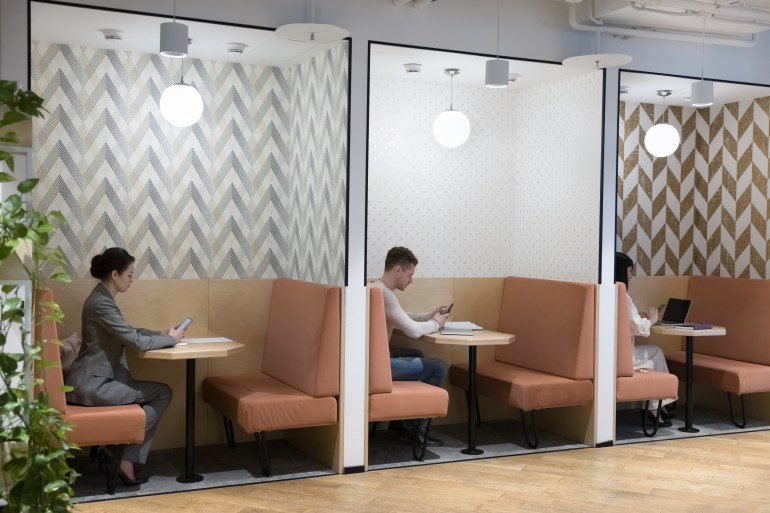
The best small offices are never still. They shift, adapt and breathe. To that end, modular furniture, movable walls, rolling credenzas and fold-away tables are all quiet heroes of modern workspace design. In fact, Harvard Business Review calls flexibility “the new cornerstone of workplace design,” urging companies to build offices that evolve alongside people’s needs and moods.
Imagine sliding back a divider in the morning for a team brainstorm, then closing it at noon to create a quiet zone. Later, you pull in a whiteboard, cluster tables for collaboration or clear them entirely for an impromptu presentation. The space becomes choreography — a dance between focus and flow. The furniture doesn’t just sit there. It listens and responds.
By naming and shifting your zones — such as “focus bay,” “spark room,” or “library corner” — you teach your team that space is fluid. And, in a small office, fluidity is freedom.
To do: Invest in furniture that moves with your workflow. Reconfigure zones as needed to match the team’s rhythm, like quiet in the morning and collaborative in the afternoon. Label each area by purpose so everyone knows how to use it and when to adapt it.
3. Create Zones That Speak the Language of Work
Your office isn’t a single environment. It’s a series of moods. One area hums quietly for deep work, while another buzzes with conversation and light. The best offices curate these moods deliberately, giving each space its own emotional tone and purpose.
Research from Harvard Business Review and the Spacematch platform shows that people perform best when the environment reflects their task. Instead of asking, “Where do we fit everyone?” ask, “What do we want each corner to make people feel?” Maybe you don’t need more square footage, just more design intention.
To that end, a soft lamp and a textured rug can transform a neglected corner into a reflective retreat. Or, a high table near the window might spark spontaneous problem-solving. It’s not about filling every inch. It’s about shaping spaces that whisper their purpose.
To do: Define what each zone should feel like — such as focus, connection or creativity. Then, use lighting, texture and subtle color cues to give each area its own personality.
4. The Secret Space Expanders: Light, Glass & Green
Ever notice how a bright café feels bigger than a dark meeting room, even if they’re the same size? That’s the magic of light and transparency. Natural light, open sightlines, and greenery are the easiest ways to trick the eye and soothe the mind.
Glass partitions and pale walls reflect light, making even tight spaces feel open. Additionally, adding plants, a fern on a shelf, a small green wall and maybe a few hanging vines. Studies in biophilic design consistently show that exposure to natural elements boosts productivity, lowers stress and enhances creativity. When your workspace breathes, so do you.
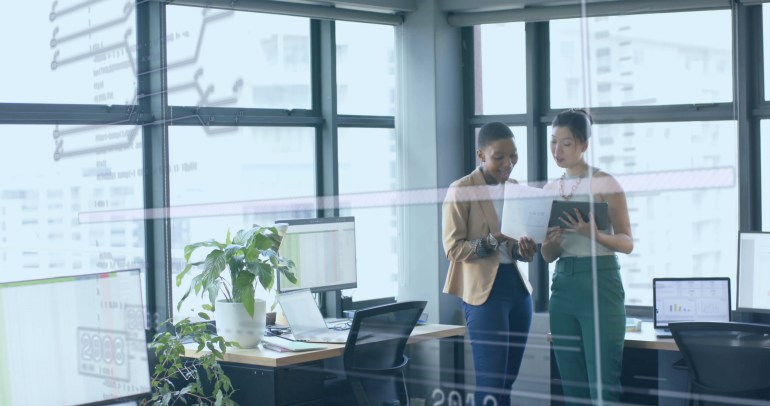
If possible, position desks near windows or use mirrors to bounce daylight deeper into the room. Light expands not only the space, but also the mood within it.
To do: Keep sightlines open. Use glass where you can and lean into lighter wall colors. Add plants or wood textures to bring warmth and calm inside.
5. Make Your Desk Earn Its Space
In a small office, every object competes for your attention. A pile of papers, a loose cable, yesterday’s cup — these things aren’t harmless details, they’re interruptions waiting to happen. In a small workspace, you don’t have the luxury of letting things sit “for later.”
Start by removing anything that isn’t needed for the work you’re doing today. One surface, one purpose. Anything else gets a drawer, a box or even the bin. Don’t let items “live” on your desk just because they arrived there. Your desk doesn’t need personality. It needs room to work.
To do: Build a simple daily habit — a quick reset before you leave. Clear the papers, close out the day’s tabs, empty your downloads and put every cable back in its place. This isn’t about neatness. It’s about reclaiming space you can actually use.
6. Hot-Desking With Heart
If your team works hybrid, half your space may sit empty half the time. As such, hot-desking can be the perfect fix, but only if done right. The key is not just flexibility, but also trust. Every shared desk must feel reliable, equipped and respected.
Steelcase research shows that when open spaces lack boundaries or clarity, face-to-face interaction drops by 70%. People wander, frustrated, looking for quiet or power outlets. That’s not flexibility, it’s friction.
Instead, treat hot-desking like choreography: Define zones, provide booking tools and make the “rules of use” visible. Cleanliness and predictability are everything. If people know they’ll find a fresh desk, working tech and clear signage, they’ll love the freedom.
To do: Create a desk reservation system. Equip each station fully with power, screens and cleanliness. Also define clear etiquette: Wipe, reset and respect.
7. When the Floor Says No, the Walls Say Yes
When you run out of floor, look up. Walls are the most underused real estate in small offices. Mount shelves, pegboards, fold-down desks, vertical storage or whiteboards. Every wall can carry function or inspiration.
Plus, this shift doesn’t just save space, it changes perception. When your eyes travel upward, the room feels taller and more open. Floating shelves become visual anchors, drawing attention up, instead of across. You also reduce clutter while adding rhythm and depth to the room.
Consider putting archives, reference materials, or seasonal gear up high and reserve the ground level for what you touch daily. You’ll be amazed at how quickly your office feels twice as open.
To do: Mount shelves, foldable desks or hanging organizers. Keep rarely used materials higher and daily tools lower.
8. Build a Space That Feels Like People, Not Policy
Small offices risk feeling sterile. In this case, the antidote is warmth. Add textures, colors and personal stories that make the space human. Things like a photo, a plant or a small piece of art matter more than they seem.
Nowadays, modern design studios measure emotional connection as a key metric of success. People perform better in environments that feel familiar and safe. Likewise, when a space reflects its people, they, in turn, protect and care for it.
 So, invite each team member to add one personal touch, such as a framed quote, a postcard from a trip or a small desk object that sparks a smile. This builds belonging, one item at a time.
To do: Let each person bring something meaningful. Mix soft textures, warm lighting and natural materials. When a space feels like its people, productivity becomes emotional, not just physical.
9. Let Technology Disappear Into the Design
The smartest tech is the kind you barely notice. Sensors, automation tools and digital booking systems should blend quietly into the background. When technology becomes seamless, it supports the flow, instead of disrupting it.
For instance, cable trays, integrated power strips, and wireless tools keep desks clear and minds calm. Similarly, consider automating lights to follow daylight or linking the booking systems with occupancy data. These small upgrades save time, reduce friction and make every square foot work harder.
To do: Hide cables and integrate charging points. Use smart lighting and temperature controls. Automate booking and feedback loops.
10. Design Isn’t Done, It Evolves
The perfect office layout doesn’t exist. That’s because it’s a moving target as teams transition, projects shift and even sunlight changes with the season. Harvard Business School’s Ethan Bernstein found that static office designs often reduce collaboration over time. The solution for that is to treat your workspace as a living prototype.
Observe, gather feedback, test new arrangements and repeat. Small, continuous tweaks keep your office aligned with how people work. Growth doesn’t come from one redesign. It comes from learning and adapting.
To do: Every few months, gather input from your team. Try small experiments, like moving a desk, changing lighting or adding or removing dividers. Then, measure the effects and keep evolving.
You don’t need more square feet, you need more imagination per square foot
Your office is not just a place where work happens. It’s a mirror of your team’s rhythm, focus and curiosity. Once you start seeing it as a living, evolving environment, every inch becomes an opportunity to design not just a workspace, but a feeling.